
SPEND MONEY
TO SAVE MONEY
do we need solar and EV subsidies in New Zealand?
Picking winners or helping losers? Governments of all stripes have offered incentives for businesses and households, some with meaningful success.
the current coalition has backed
industry and fossil fuels, including:
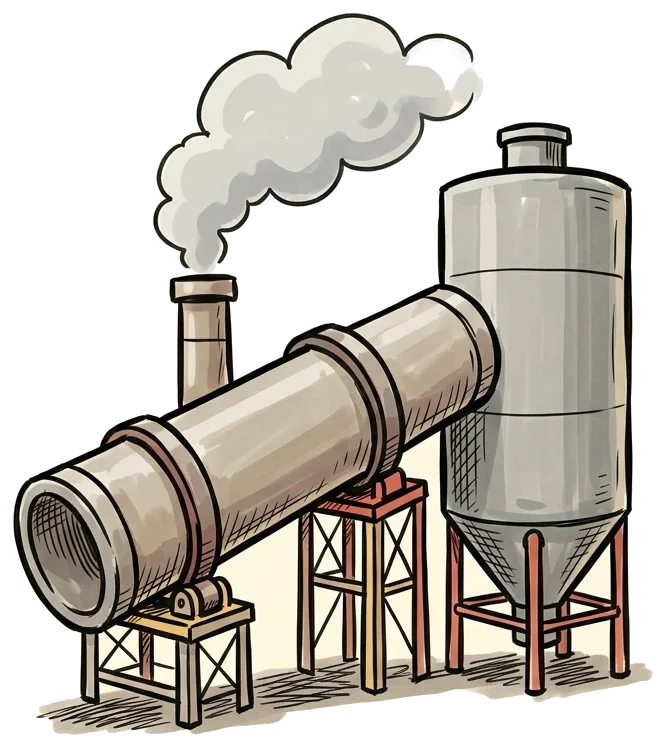
$60M
financial support for Golden Bay Cement
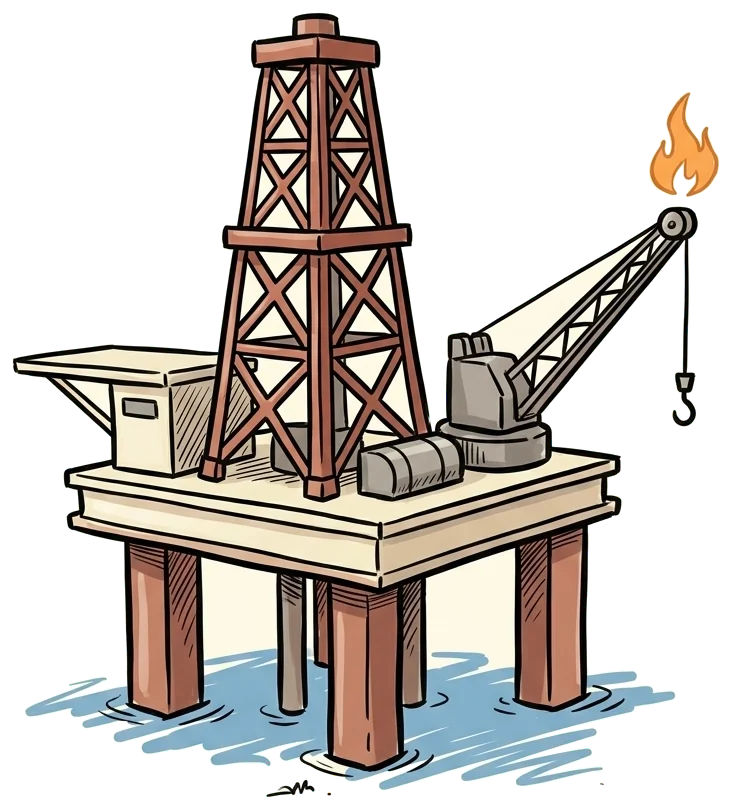
$200M
to support oil and gas exploration

$10M
to help fertiliser makers get off gas
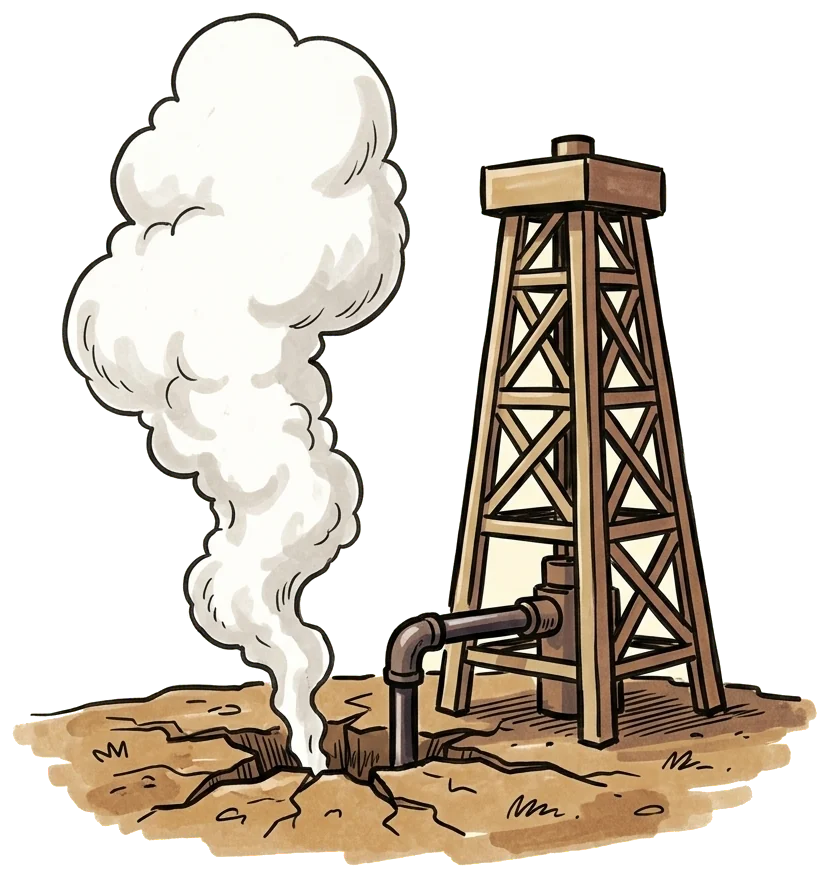
$60M
Regional Infrastructure Fund research into supercritical geothermal
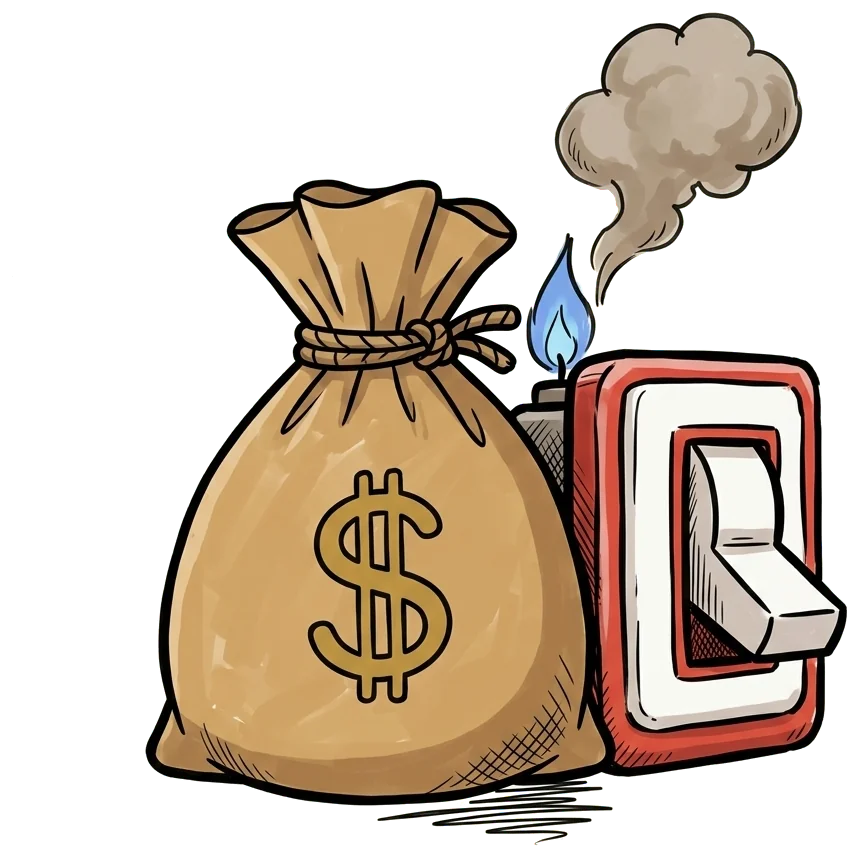
$1.2B
in Government-backed loans to help businesses transition off gas
the previous Government's GIDI Fund spent
$300M+
to help some of our biggest emitters switch to electricity
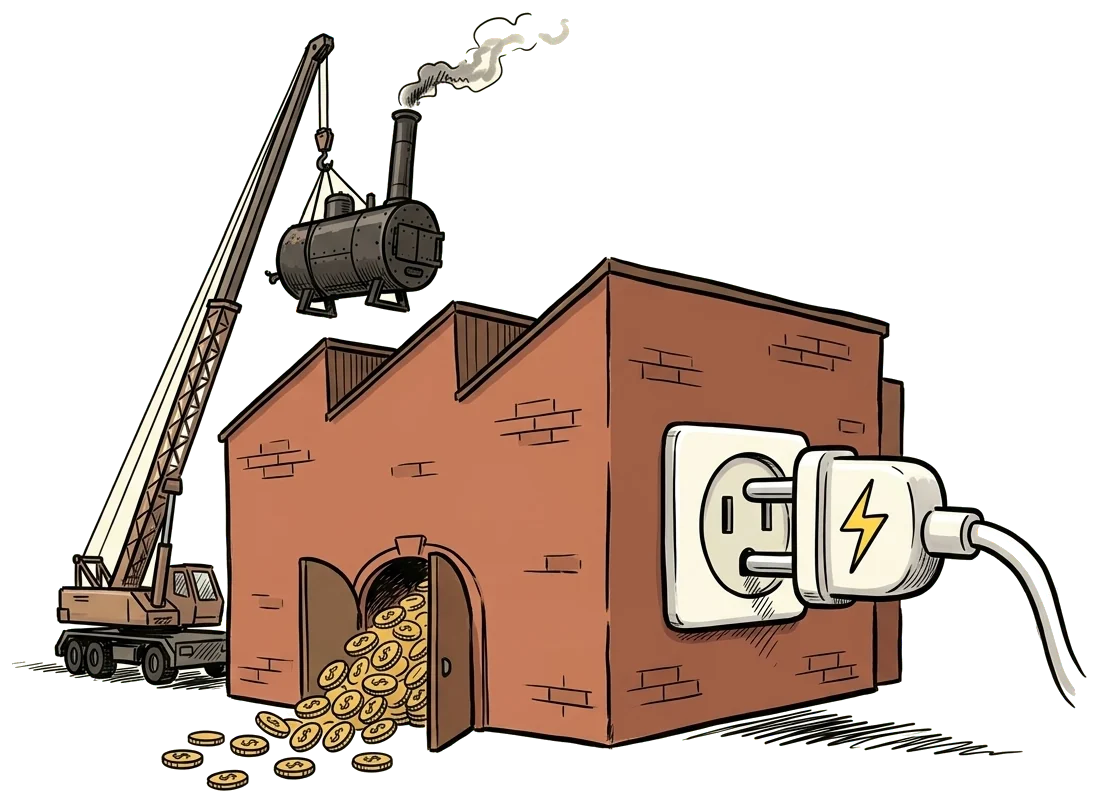
$800M+
of private investment unlocked
A $650 million expansion was cancelled by the current Government.
the Clean Car Discount took up to
$8,000
off the upfront cost of an EV, back when EVs were expensive, there were fewer choices and it was new(ish) tech
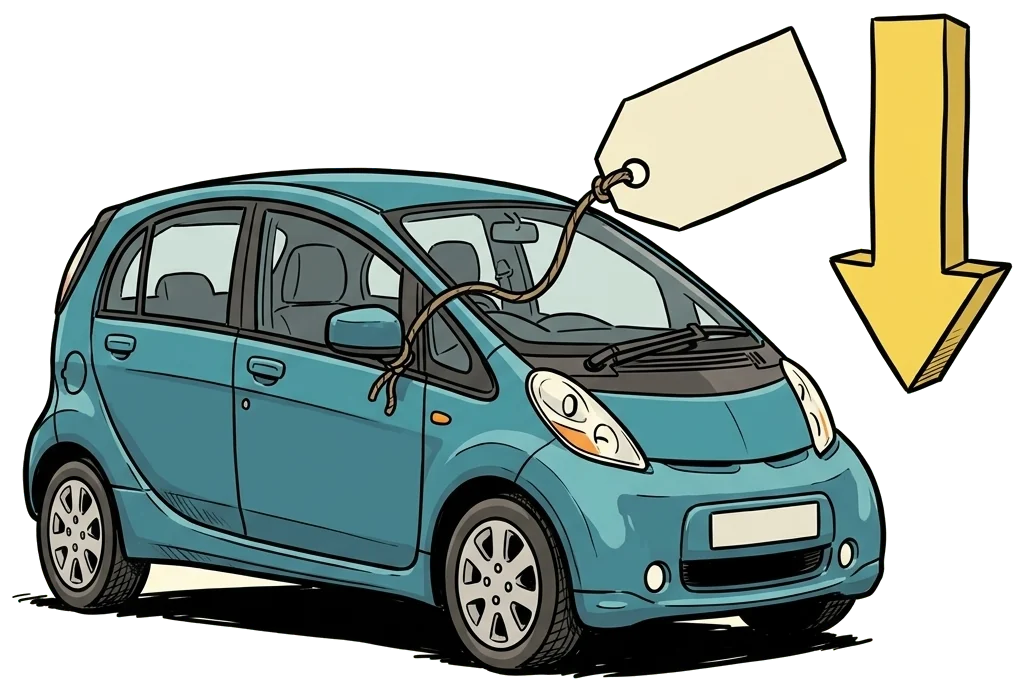
With no Road User Charges as well, New Zealand was well above the global average for EV adoption in 2023.
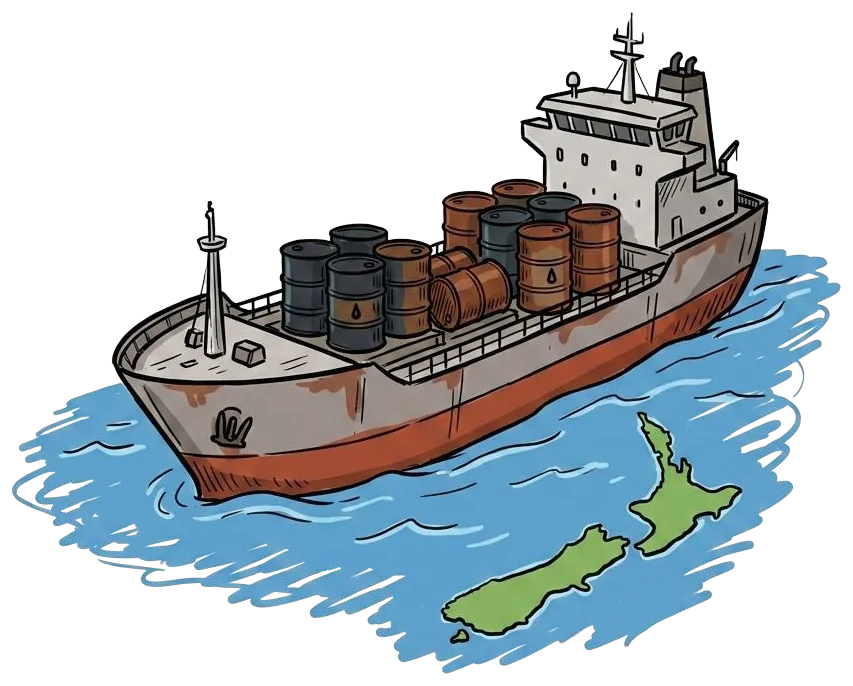
in the year to July, New Zealand spent
$12.1 BILLION
importing petrol, diesel and other fuels
+$2.3 BILLION
more than the year before. And that's import costs, not retail costs.
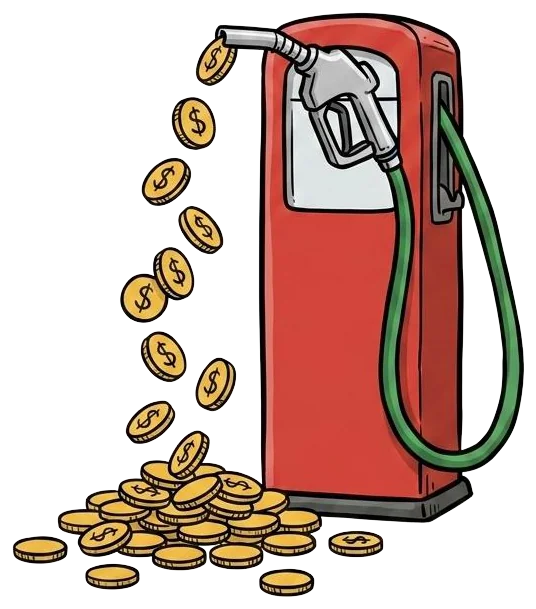
current fuel subsidies for 150,000 families cost
$7 MILLION
A WEEK
or $373 million if it runs for the full year
Principal Economics says every
1 CENT
rise in fuel prices cuts New Zealand's economic output by around $56 million

approximately $9 BILLION
A YEAR
if petrol sits at $3.30 for an extended period. That's around 2% of GDP, or roughly $4,000 to $6,000 per household a year.
OVER HALF
of our total energy is imported
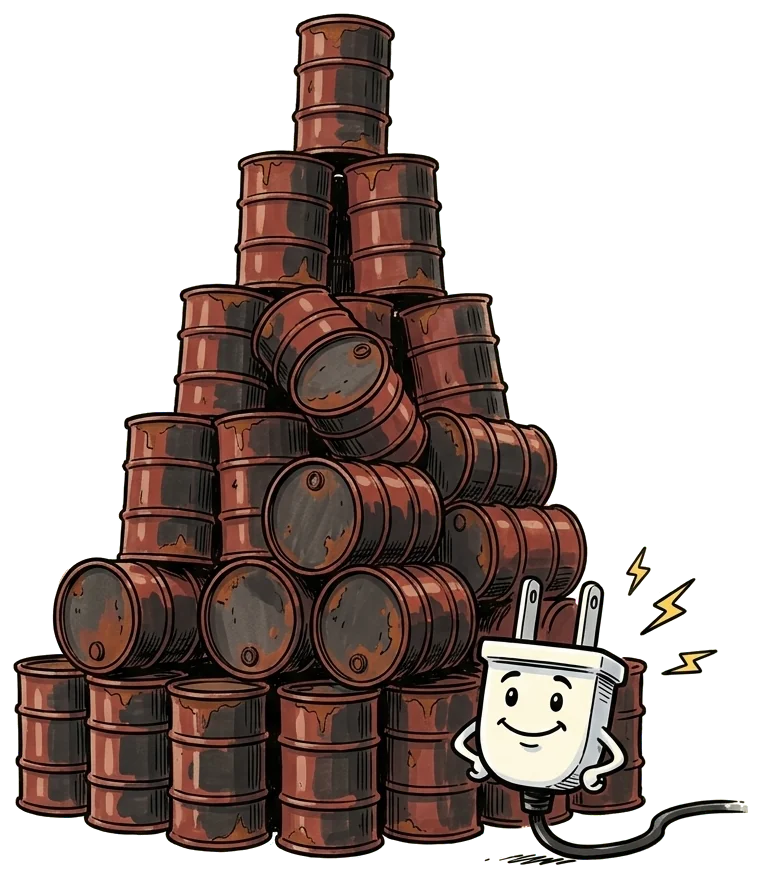
ONLY 30%
of New Zealand's total annual energy use is electricity
UP TO $3,000
A YEAR
what the average household could save if electricity use doubled
full electrification of our homes and cars would save
approximately $29 MILLION A DAY
by 2040 (using pre-Iran prices)
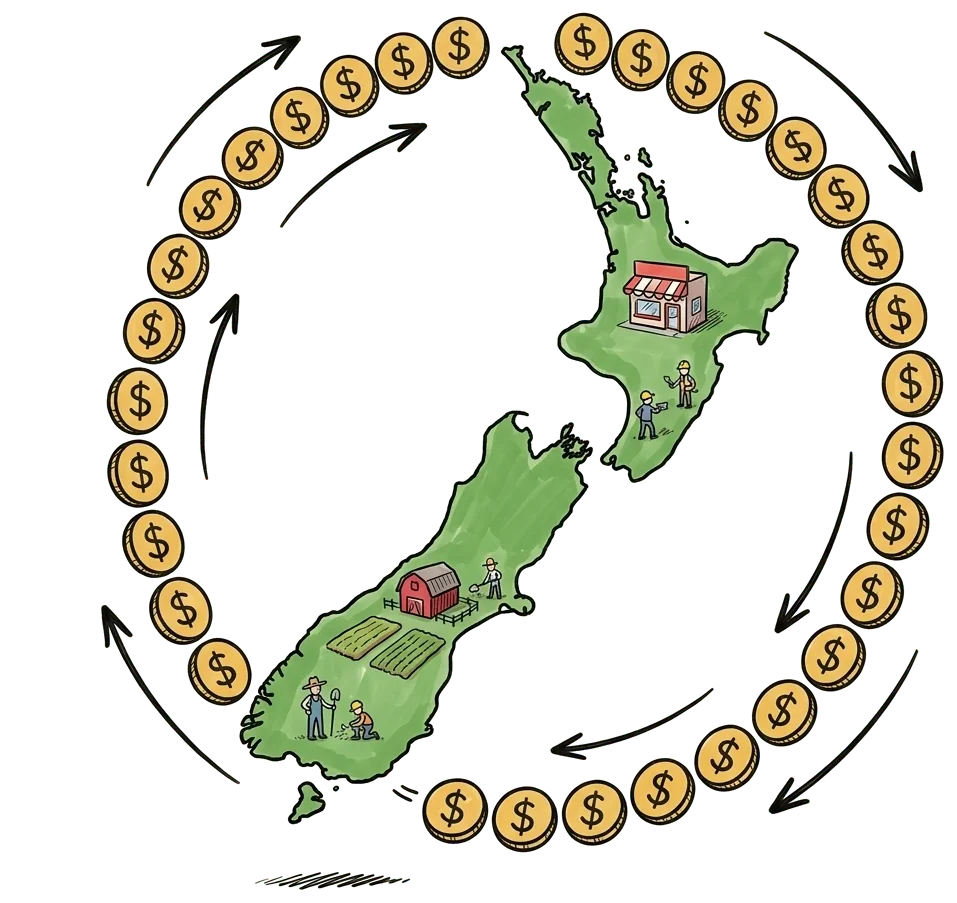
Money that stays in New Zealand, circulating through local wages, local firms and regional economies instead of heading offshore.
THE RATEPAYER ASSISTANCE SCHEME
long-term, low-interest loans for electric upgrades, backed by most parties

It's a finance scheme, not a subsidy. The Greens have proposed subsidising the interest rate down to 0%.
vehicles aren't in the RAS, so we're pushing the
EV SALARY
BOOST
a tax break for working New Zealanders. Or, a pay rise you can drive.
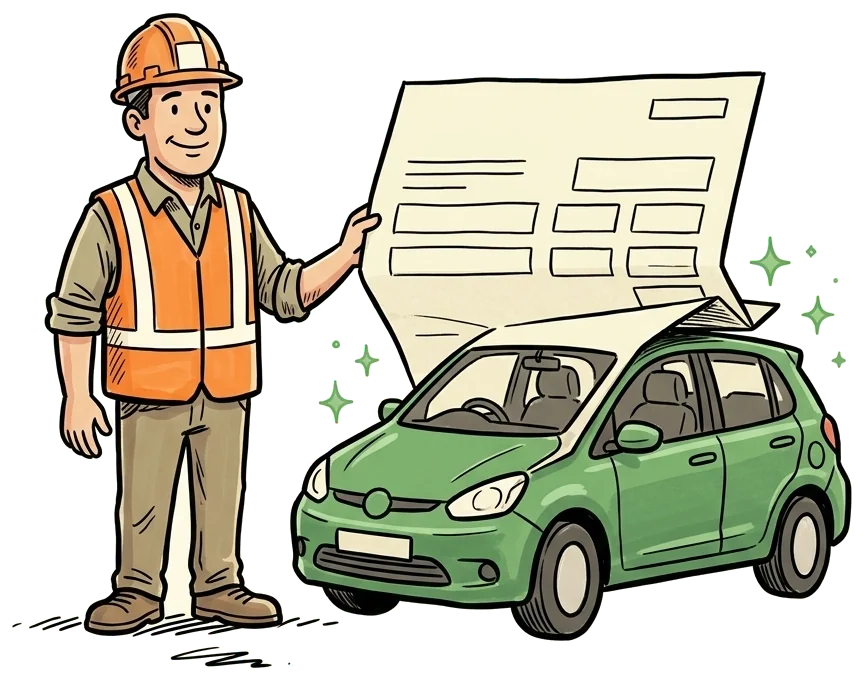
It would cost less than what the Government is spending on fuel subsidies now.
over a five-year lease, per vehicle
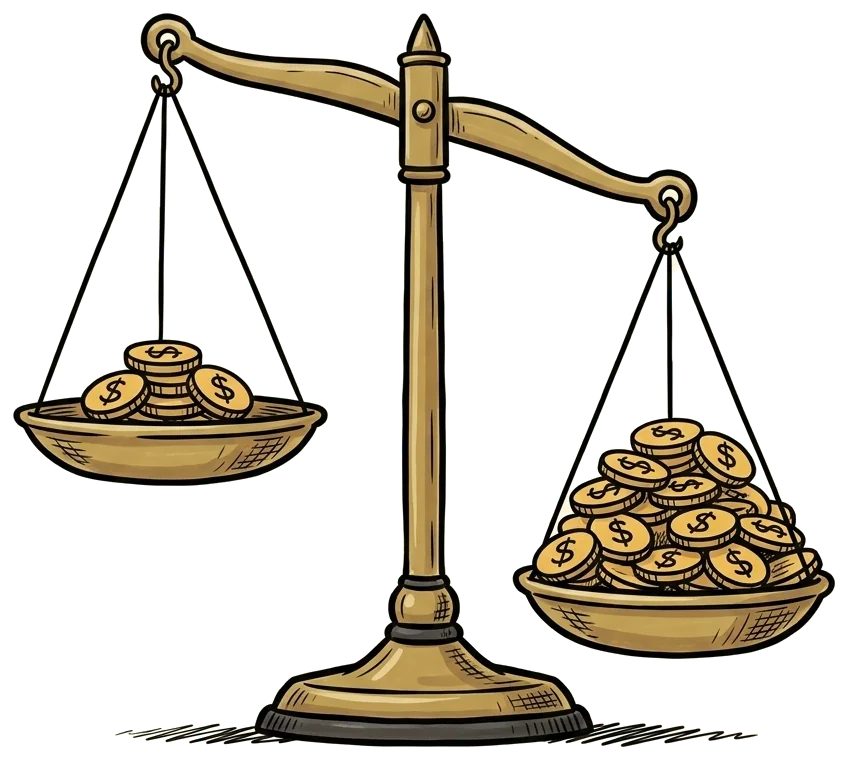
cost to the Government
approximately $5,000
saved on petrol at retail prices
approximately $14,000
saved on fuel imports
approximately $8,000
And that EV keeps saving New Zealanders for about another decade.
turning over a fleet takes decades
Norway has incentivised EVs for decades. We're now lagging behind most other markets.
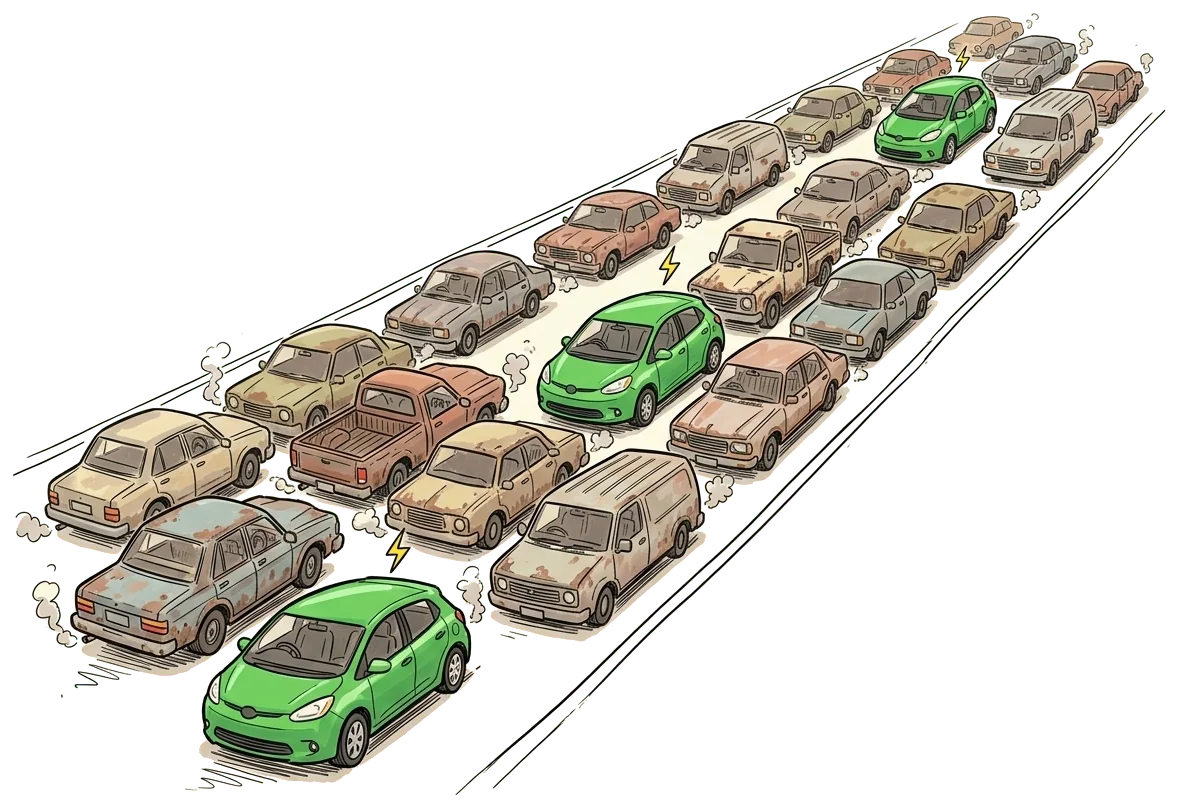
Australia has subsidised rooftop solar since 2001
4 MILLION+
installs
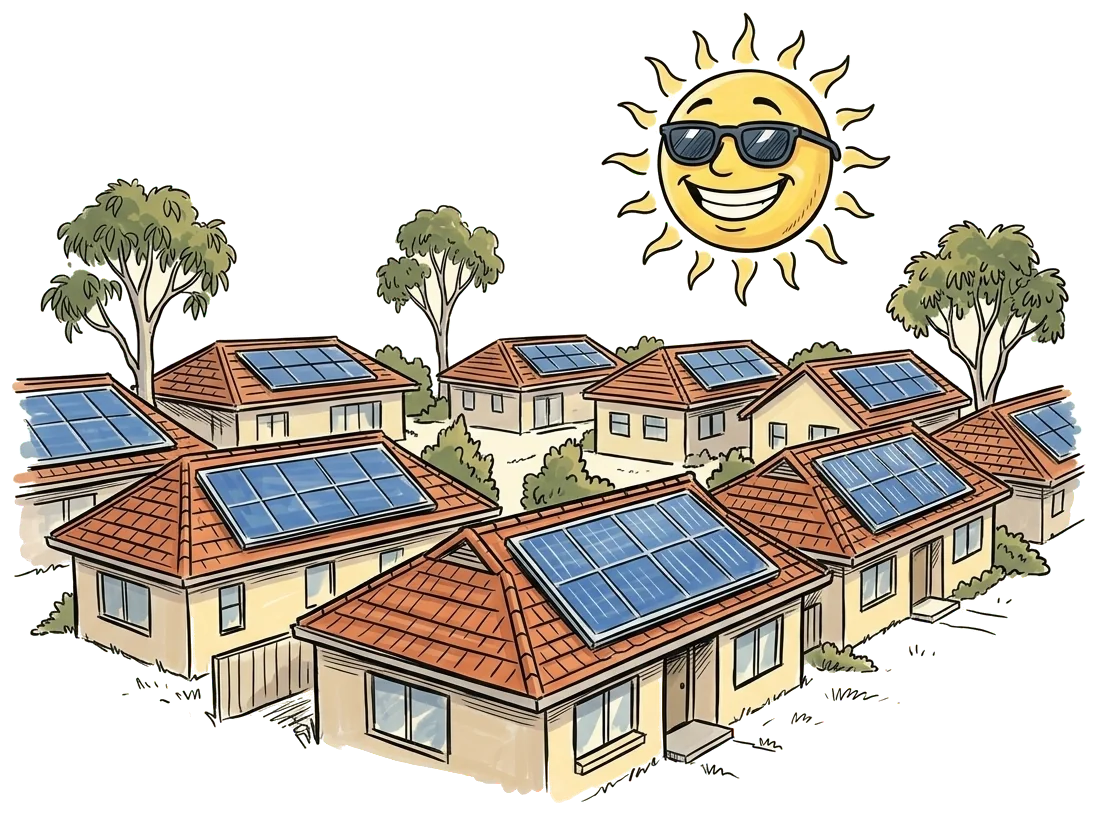
Now even Aussies without solar can get free electricity in the middle of the day.
Australia's Cheaper Home Batteries scheme
600,000+
batteries installed with 30% off the upfront cost
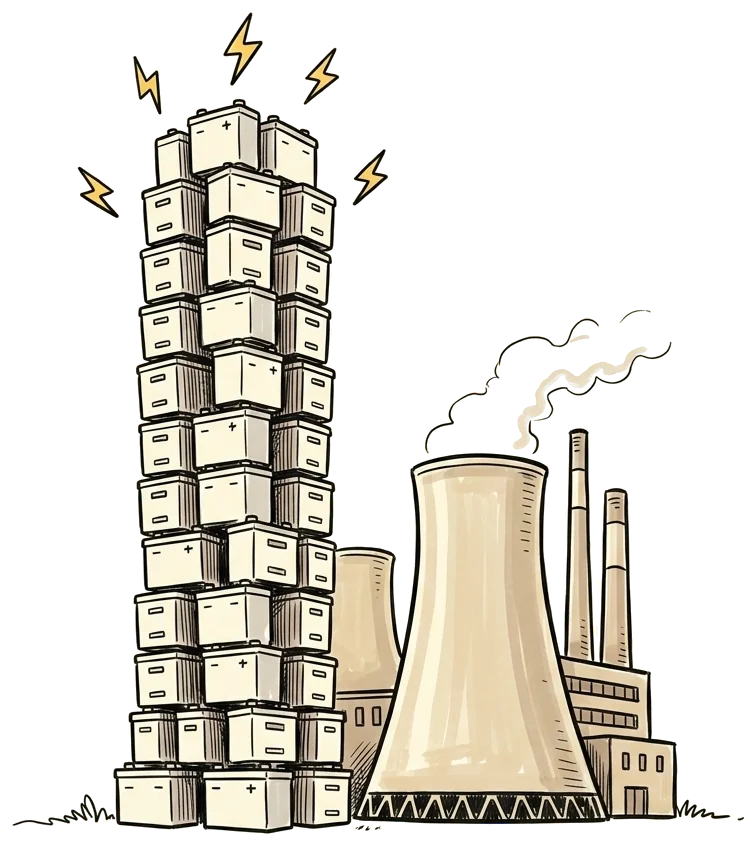
approximately HALF
of New Zealand's total electricity system, built in just over a year
4-5X
Huntly's peak capacity
70%
paid for by households
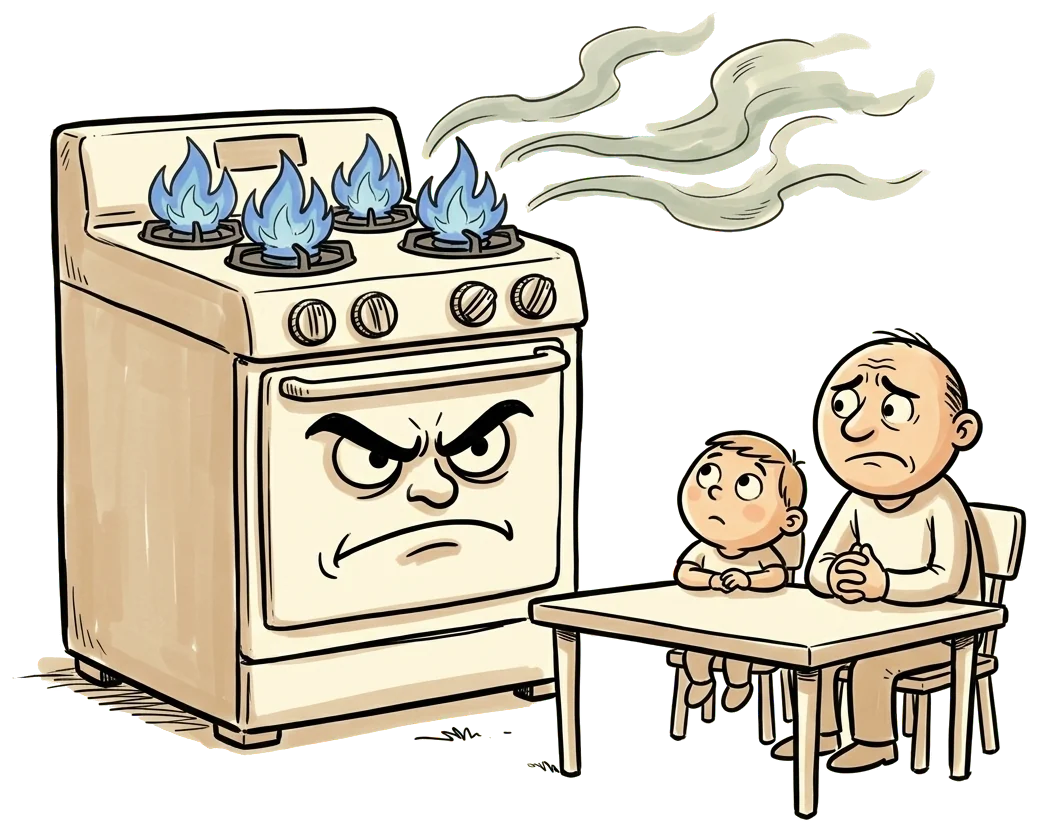
indoor combustion costs an estimated
$3.8 BILLION
A YEAR
in health costs and lost productivity
$9,000
per gas stove, per year
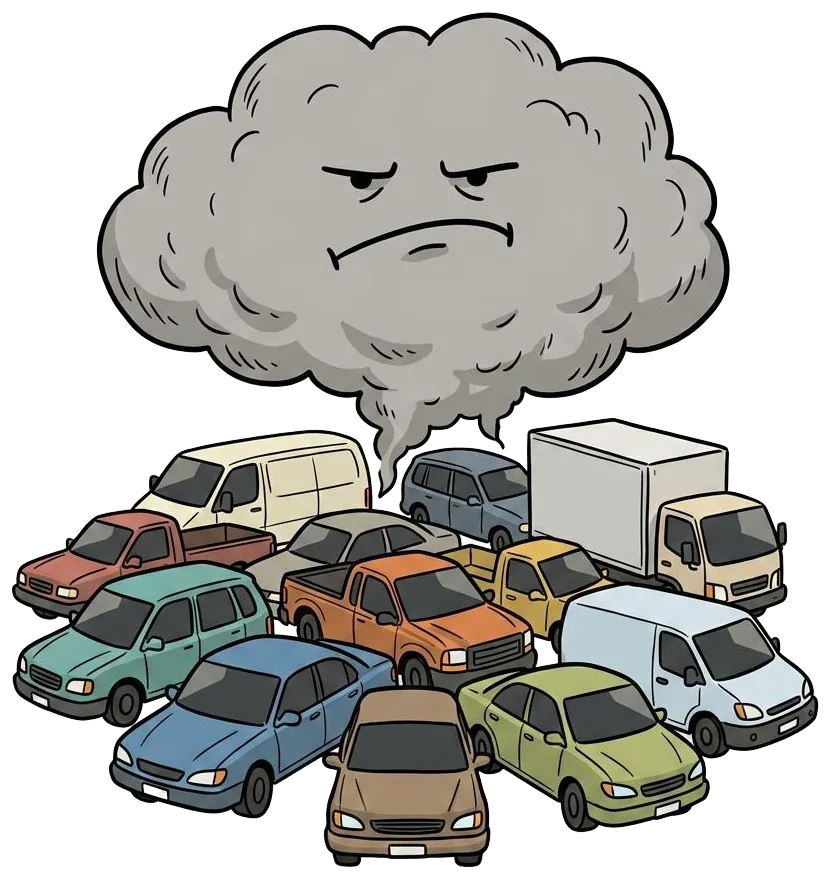
air pollution from transport
2,200
premature adult deaths
$10.5
BILLION
estimated social cost
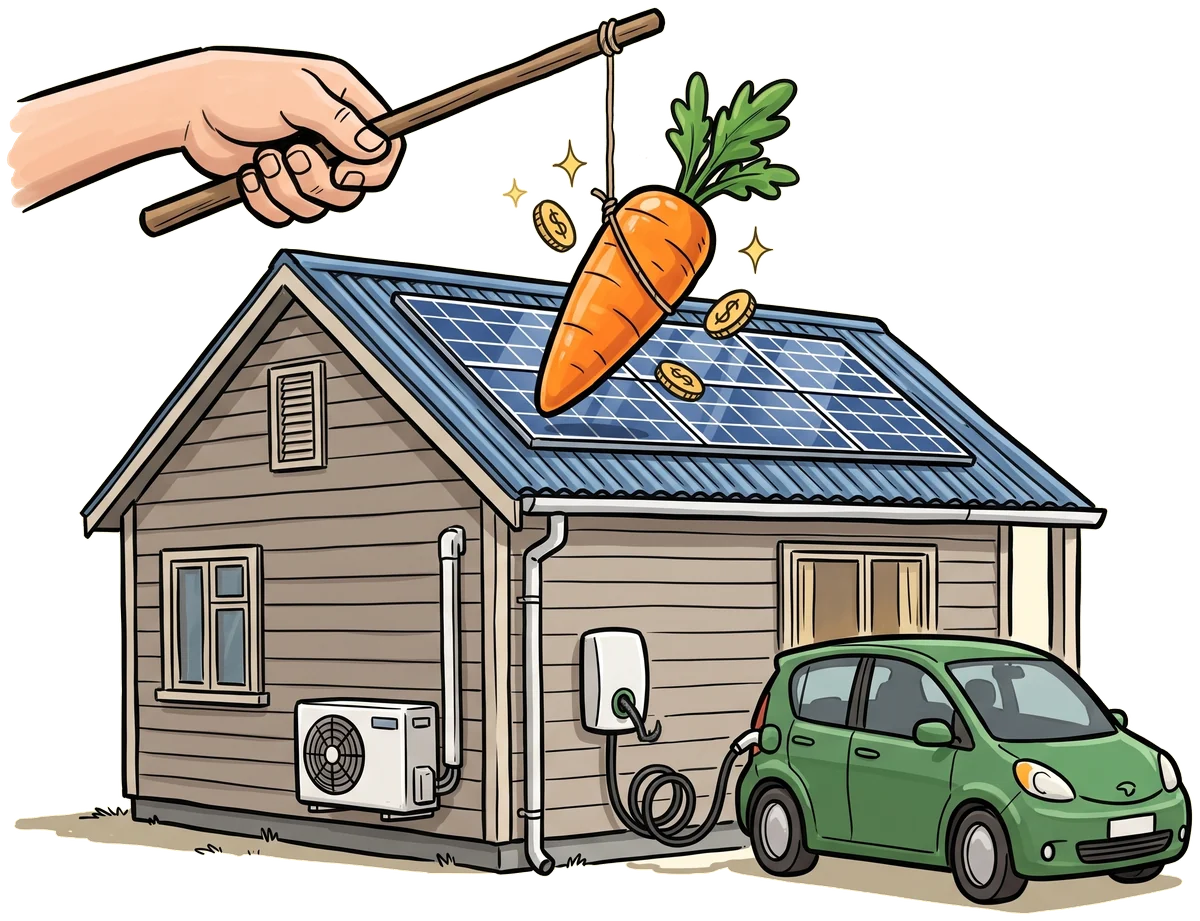
SPEND MONEY
TO SAVE MONEY
If the Government incentivises electrification, the dividends will far exceed the investments.
